

The best science and technology news from the Middle East
Provided by AGP
Study reveals advanced construction techniques and domestic layouts in Roman-Byzantine villages of Syria
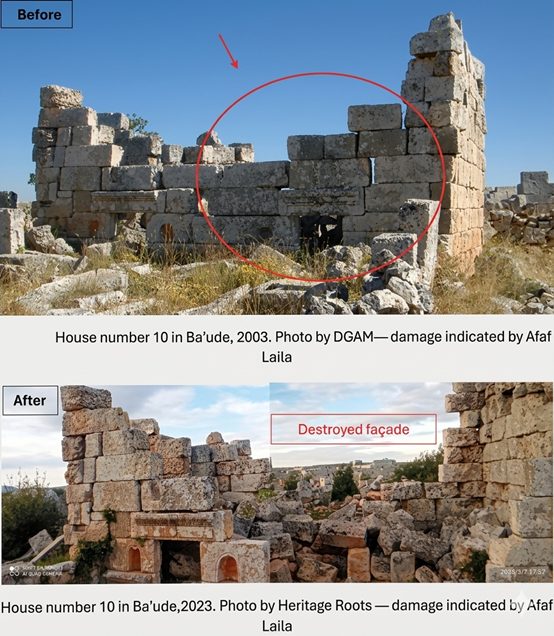
House No. 10 before and after the Syrian war. Credit: Abdulkarim and A. Laila—Heritage Roots.
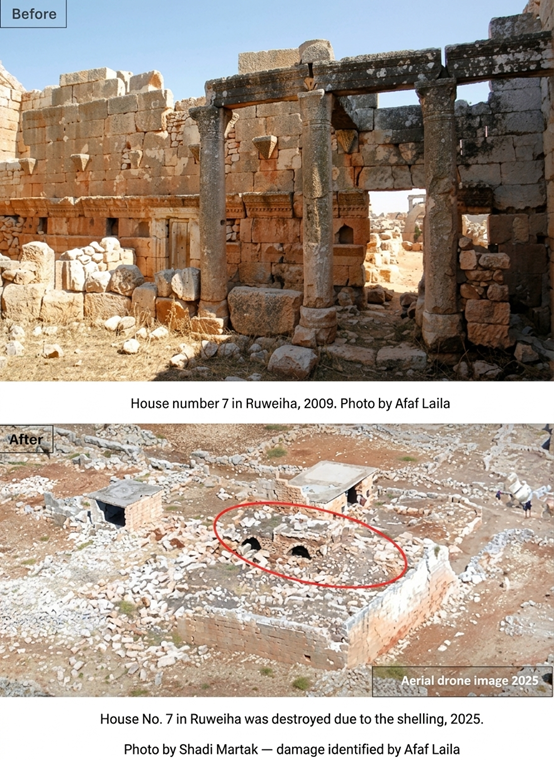
Ruweiha House No. 7 was destroyed due to the shelling. Credit: Shadi Martak. Damage identified by Afaf Laila
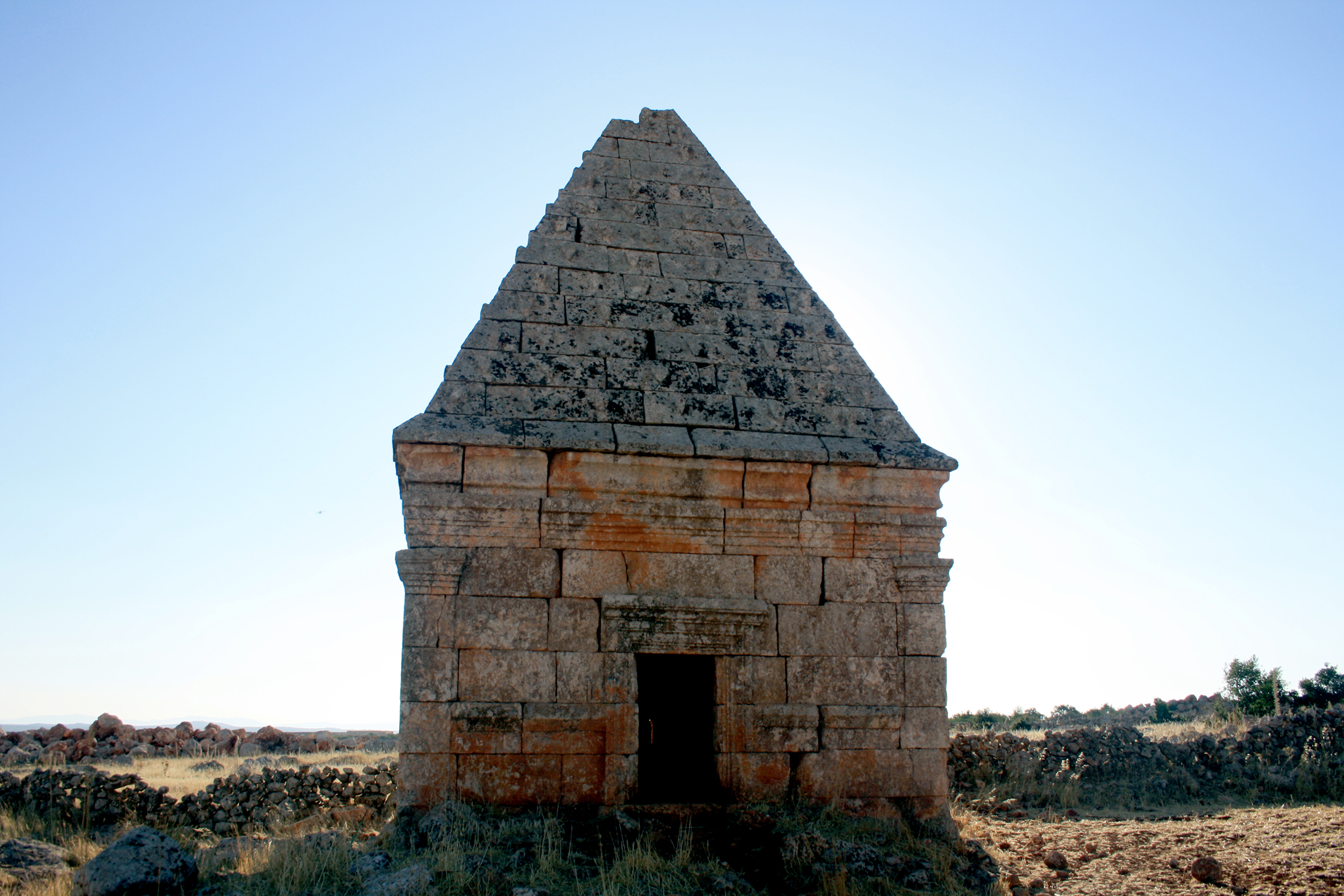
The pyramid tomb. Credit: M. Abdulkarim
House No. 5: plan of the residential units and House 5 north of the church. Credit: M. Abdulkarim and A. Laila, 2010.
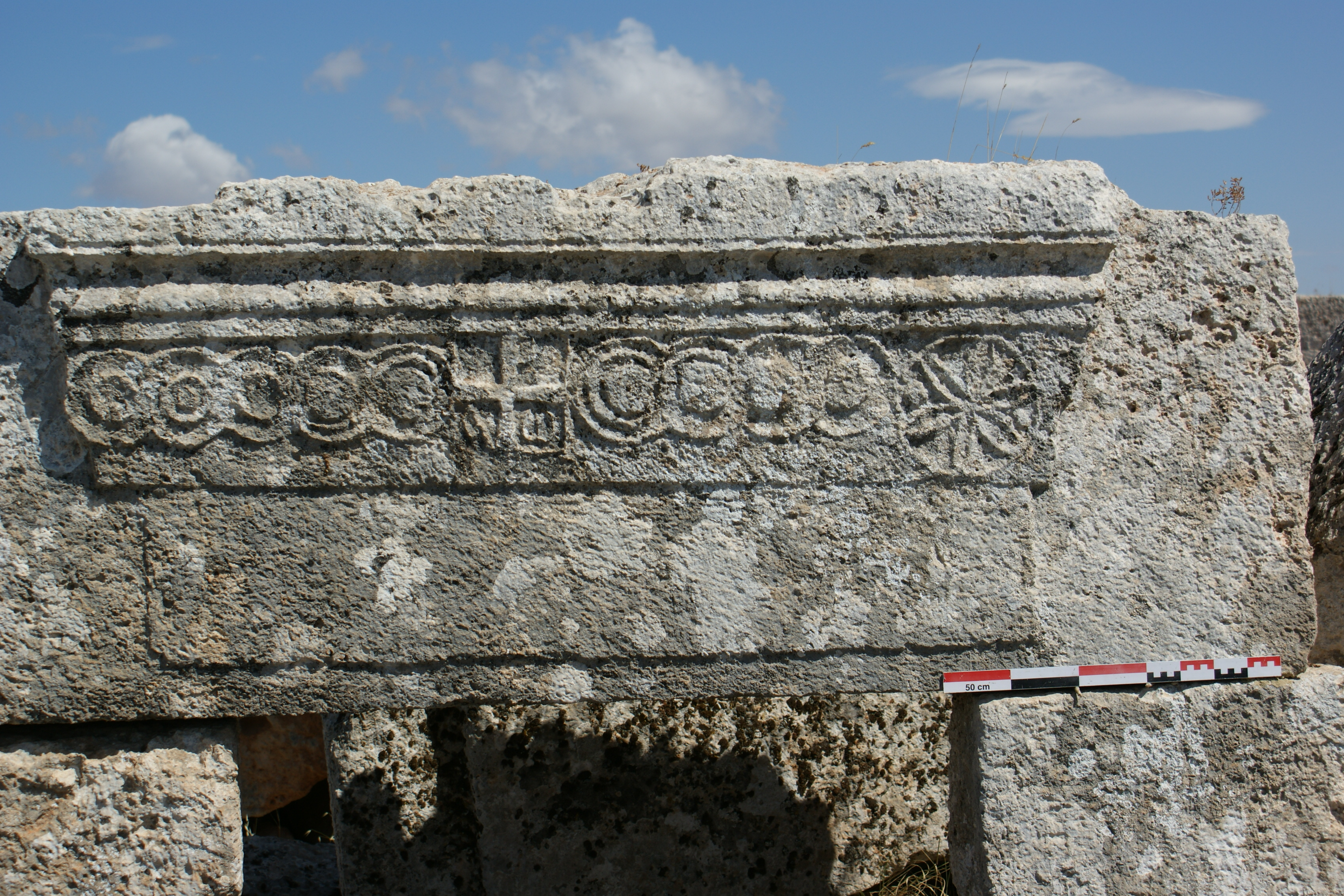
Frieze with a square medallion in the middle of House No. 22. Credit: M. Abdulkarim and A. Laila.
New research has revealed sophisticated construction techniques, domestic layouts and fresh insights into daily life in Late Antiquity in Syria
SHARJAH, EMIRATE OF SHARJAH, UNITED ARAB EMIRATES, May 11, 2026 /EINPresswire.com/ -- Having weathered nearly 1500 years of time and exposure, the remains of Roman-Byzantine villages in Syria have been the subject of recent architectural investigations, which reveal remarkable design features, local construction techniques, and spatial layouts that could inform and be adapted for future restoration projects.
The findings, based on architectural studies conducted in 2024 and published in the Bulletin of the American Society of Overseas Research, offer an extensive analysis of building materials used in the construction of a village called Ba’ude. The study reveals the ingenuity of local construction traditions and the organization of domestic architecture and space in Late Antiquity.
According to the authors, the architectural evidence gathered from Ba'ude helps reconstruct the broader historical trajectory of Roman-Byzantine villages scattered across the limestone massif of northern Syria. Stretching over seven mountain ranges in the governorates of Aleppo and Idlib, these settlements were once home to prosperous Syriac-speaking Christian communities. Over time, however, they declined and ultimately fell into ruin.
“These sites form what is widely known as the ‘Dead Cities,’ comprising approximately 700 archaeological locations, many of which still preserve remarkably well-maintained architectural remains,” said Maamoun Abdulkarim, professor of archaeology and history at the University of Sharjah and a co-author of the study. “Largely inhabited by Syriac (Christian) communities during the Roman and early Byzantine periods, these villages offer an exceptional record of rural life in Late Antiquity.”
In 2011, 36 of these sites were inscribed on the UNESCO World Heritage List as part of eight archaeological parks, each grouping geographically related settlements. This recognition reflects, in UNESCO’s words, their “Outstanding Universal Value” as a unique and integrated model of ancient rural settlement and human–environment interaction.
Stones, stories and enduring legacy
Within this broader context, the site of Ba'ude emerges as an example of a wider archaeological constellation of Roman-Byzantine villages in Syria. The study offers detailed and integral analysis of domestic architecture in Ba'ude, forming part of a broader research program encompassing eleven sites across two archaeological parks renowned for their exceptional state of preservation and a richly layered cultural landscape.
While earlier archaeological inquiries in the region mostly focused on monumental religious buildings, reflecting an inspired and devotional spiritual life of a thriving Christian community, the study marks a deliberate shift toward domestic architectural spaces. The new focus has resulted in throwing more light on a nuanced lens of daily life in the region.
The study’s findings also carry practical implications for how to reconstruct and preserve heritage, offering a framework on what needs to be done by contemporary urban planners to safeguard the identity of domestic architecture and how to integrate it into modern development strategies and cultural tourism initiatives.
“Strategically, the study provides an evidence-based foundation for policymakers to design effective heritage protection strategies,” explained Prof. Abdulkarim. “It also promotes the involvement of local communities in safeguarding heritage as both a cultural responsibility and a potential driver of sustainable development.”
The study further warns that Ba'ude and comparable sites remain under continuous threat. These risks emanate not only from damage inflicted during the 14-year civil war in Syria, which concluded in 2024, but also from ongoing pressures such as agricultural land leveling and the construction of unauthorized dwellings and houses around these archaeological zones.
“The threats facing Ba'ude are not limited to direct destruction but extend to a slow and systematic erosion driven by agricultural clearance and stone reuse—processes that impact both the spatial and collective memory of the site,” emphasized Dr. Afaf Laila, a leading Syrian archaeologist and the study’s lead author. “Ba'ude is not merely a collection of ruins but a living archive of rural life in Late Antiquity, where architecture, landscape, and community formed a remarkably cohesive cultural system.”
Between ruin and survival
Asked about the significance of Ba'ude buildings, Dr. Laila underscored their crucial role in revealing both the architectural character and the social fabric of the ancient inhabitants of the village. She said the architectural study of these structures has helped the study authors to identify spatial layouts and privacy requirements, particularly in the configuration of rooms, facades, and carved decorative elements.
“The western area of the village stands out due to the variety of buildings there in comparison to other parts of the village, including a pyramidal tomb, a press, and a church. However, these structures vary significantly in their state of preservation,” the authors note. “Some, like the church and the nearby press, are in a state of disrepair, reflecting damage sustained over several centuries. The church, in particular, has almost entirely collapsed. In contrast, the pyramidal tomb on the southwestern side has been remarkably well-preserved and remains in excellent condition.”
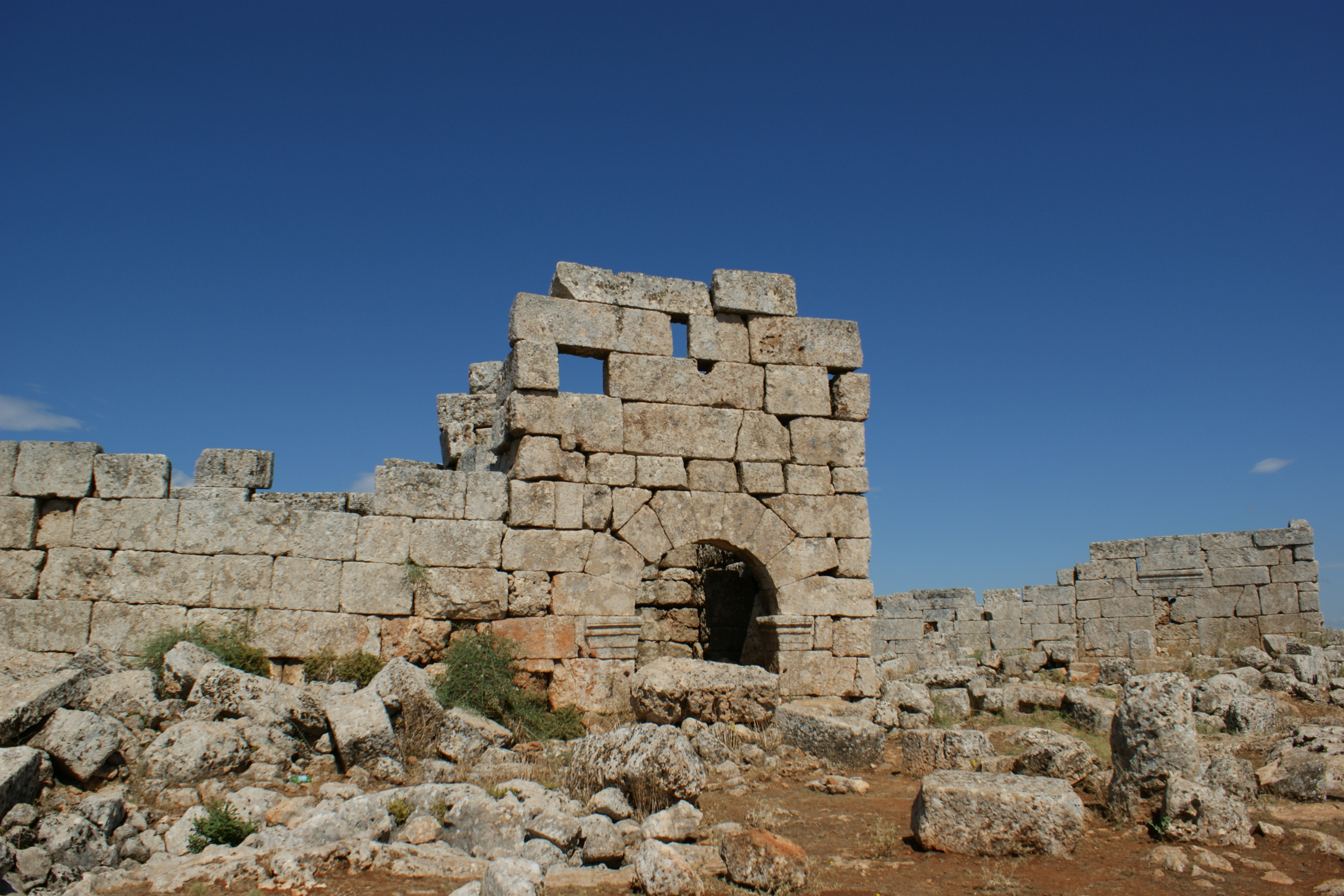
The researchers found that many of Ba’ude’s residential features, such as main entrances, courtyard walls, and porticos, have suffered extensive degradation and are in urgent need of preservation. However, the excavators came across a limited number of surviving examples that have allowed for comparative analysis with neighboring villages. Only three main entrances retained discernible patterns observed across the region marked by a small vestibule and framed by an arch.
The walls enclosing the courtyards have largely vanished, though fragmentary foundations persist in some cases, offering valuable insights into the original domestic layout and dimensions of the courtyards in certain houses. Likewise, they found a single portico intact, a rare example and testimony to the former architectural coherence in Late Antiquity Syria.
The authors urge more detailed architectural investigation, particularly of the structures that have collapsed entirely. “As for the internal facades of the rooms, preservation varies across the area. The ground floor rooms are generally in better condition than the upper floor rooms, which have almost entirely disappeared.”
The authors add, “Of the 28 houses surveyed, 12 are relatively well-preserved. Some of their rooms still feature complete facades, allowing us to analyze their architectural patterns. These patterns bear similarities to those found in the surrounding villages of Jebel Al-Zawiya, though Ba'ude stands out for its simpler, less ornate designs.”
Ancient village on the brink
Despite its modest size, Ba'ude encompasses residential units, the remains of a church, and a rare pyramidal tomb, features that significantly enhance its archaeological importance. The authors, however, stress the village’s fragility, noting that its broad context accelerates the risk of irreversible loss and underscores the urgency of systematic documentation and preservation.
The study demonstrates that domestic architecture offers the most direct insight into ancient societies, reflecting everyday life more vividly than monumental structures. Although Ba'ude has suffered considerable damage, it still preserves key architectural elements that allow for the reconstruction of its ancient building techniques and decorative practices.
“Documenting the domestic architecture of Ba'ude, particularly its internal façades, is essential for preserving the defining features of this architectural landscape amid rapid transformations,” said Dr. Laila. “The limited architectural fabric of the site may accelerate its disappearance, where even partial loss produces a disproportionate impact on the integrity of the whole.”
Addressing the broader challenges faced by Roman-Byzantine heritage in northern Syria, the authors call for increased support from international institutions to aid in the excavation and restoration of these villages, many of which are already inscribed on the UNESCO World Heritage List. To date, they note that the Gerda Henkel Foundation, a non-profit German organization, remains the only institution actively involved in helping preserve the ancient villages.
These archaeologically significant sites have sustained extensive damage as a result of recent violent events in Syria, and Ba'ude is no exception. Visible damage includes the near destruction of room facades and residential structures due to random digging, agricultural expansion, and the dismantling of building materials for farming purposes.
The authors emphasize that “the involvement of specialized research institutions is essential to develop effective solutions to prevent further damage to the site. Once the conflict in the region has subsided, it will be crucial to raise awareness among the local community about their role in safeguarding their heritage.”
The authors further highlight the exceptional archaeological value of these villages, recalling their inscription by UNESCO on the World Heritage List in 2011. They also reiterate UNESCO’s characterization of these sites as a comprehensive model of rural settlement in Late Antiquity, mirroring long-term human-environment interaction and an integrated spatial and economic system based on the exploitation of surrounding agricultural lands, particularly for viticulture and olive cultivation.
“This inscription was not merely a recognition of the past but a warning for the future; every stone carries the memory of a civilization, and any loss constitutes an irreparable loss to humanity’s shared heritage,” concluded Prof. Abdulkarim.
Original Source URL: https://doi.org/10.1086/740391
LEON BARKHO
University Of Sharjah
+971 50 165 4376
email us here
Legal Disclaimer:
EIN Presswire provides this news content "as is" without warranty of any kind. We do not accept any responsibility or liability for the accuracy, content, images, videos, licenses, completeness, legality, or reliability of the information contained in this article. If you have any complaints or copyright issues related to this article, kindly contact the author above.
